
Wearable first
A PFD is safety equipment only when it fits and is worn. Children and weak swimmers need the correct approved format; an inflatable is an adult option with its own inspection requirements.
Read the inflatable PFD review →Good safety gear is easy to reach, sized for the people on board, and maintained before the trip—not bought in a panic after the forecast changes. This hub connects PFD, VHF, and launch-day checklists into one practical safety system.
11 pieces of coverage are live in this hub. We keep the decision simple: what problem the product solves, who should buy it, and where the compromise shows up.
A PFD is safety equipment only when it fits and is worn. Children and weak swimmers need the correct approved format; an inflatable is an adult option with its own inspection requirements.
Read the inflatable PFD review →A fixed-mount DSC-capable VHF with a usable antenna is the right baseline for many coastal boats. A handheld adds redundancy when the main electrical system is down.
Read the fixed VHF review →The highest-value safety upgrade is a repeatable pre-launch check: weather, fuel, drain plug, bilge, battery, PFDs, communications, and a route someone ashore understands.
Use the launch checklist →Towables and paddle days add another layer: one fitted PFD per rider, a sober driver, a spotter, a rope that matches the rider class, and a plan for getting back aboard.
Plan a safer water day →Affiliate disclosure: Cast & Cruise is reader-supported. We may earn a commission on purchases made through our links, at no extra cost to you. We only recommend gear we would buy ourselves.
Garmin
Research synthesisBuy it as a satellite safety layer, not as a radio. Budget for the Garmin inReach plan, register it, and keep it in a grab bag with the handheld VHF.
Icom
Research synthesisIf the GX1400G is the easy Eclipse-series starting point, the M330G is the tight-install Icom. Confirm you are buying the G model with GPS, not the M330 without it.
Standard Horizon
Research synthesisIf the IC-M25 is the simple floating spare, the HX890 is the handheld you buy when DSC position and a strobe are part of the job. Charge it, register the MMSI, and keep it where you can grab it with one hand.
Icom
Research synthesisA handheld VHF earns its space when it is charged, accessible, and familiar before anyone needs it. The IC-M25 looks like a practical way to add that layer of redundancy without adding much bulk.
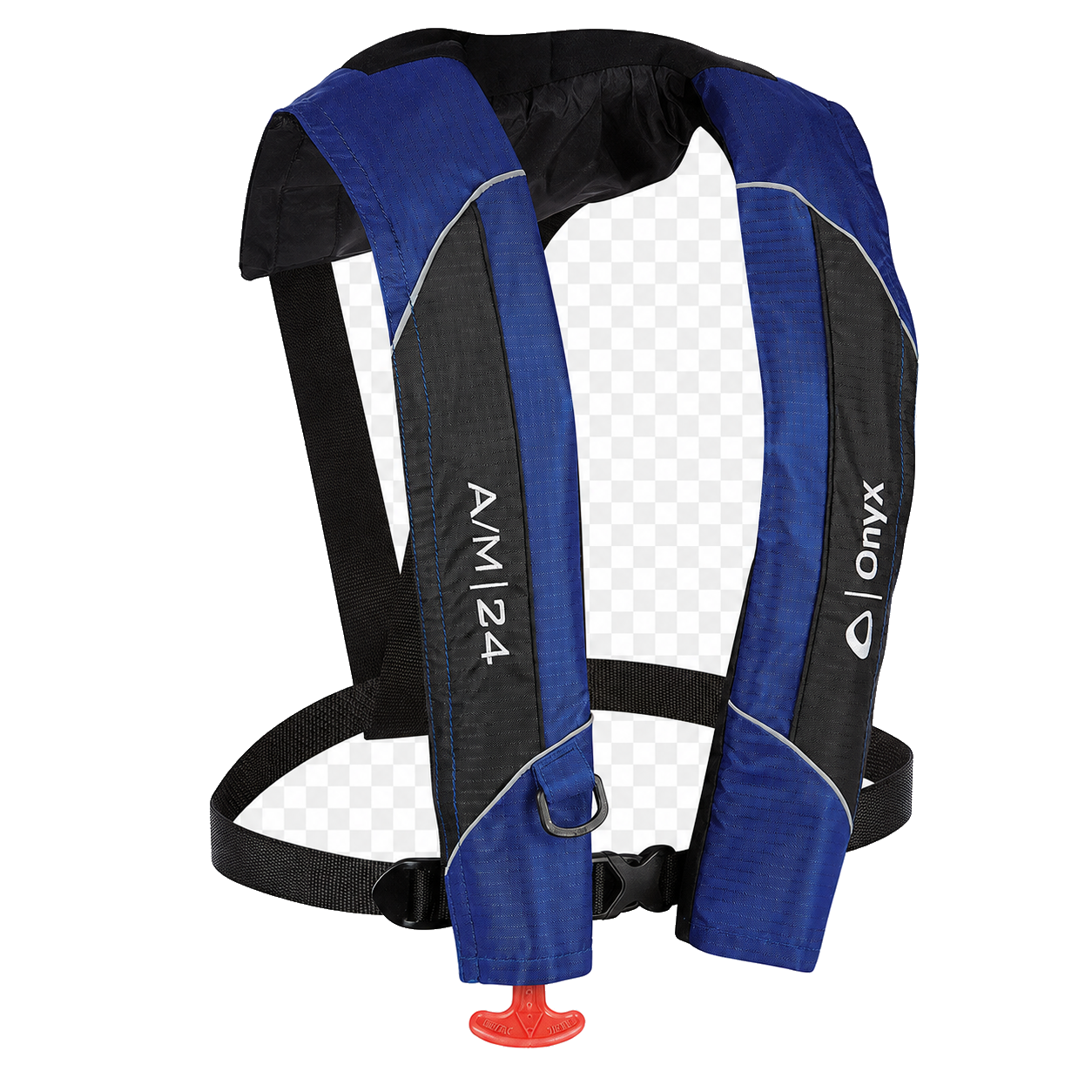 safety
 Onyx
Research synthesisThis is the kind of PFD that makes sense for hot, active days when a bulky vest will stay in the truck. Buy it for the fit and inflation format, then treat the rearming kit and inspection routine as part of the product—not optional accessories.
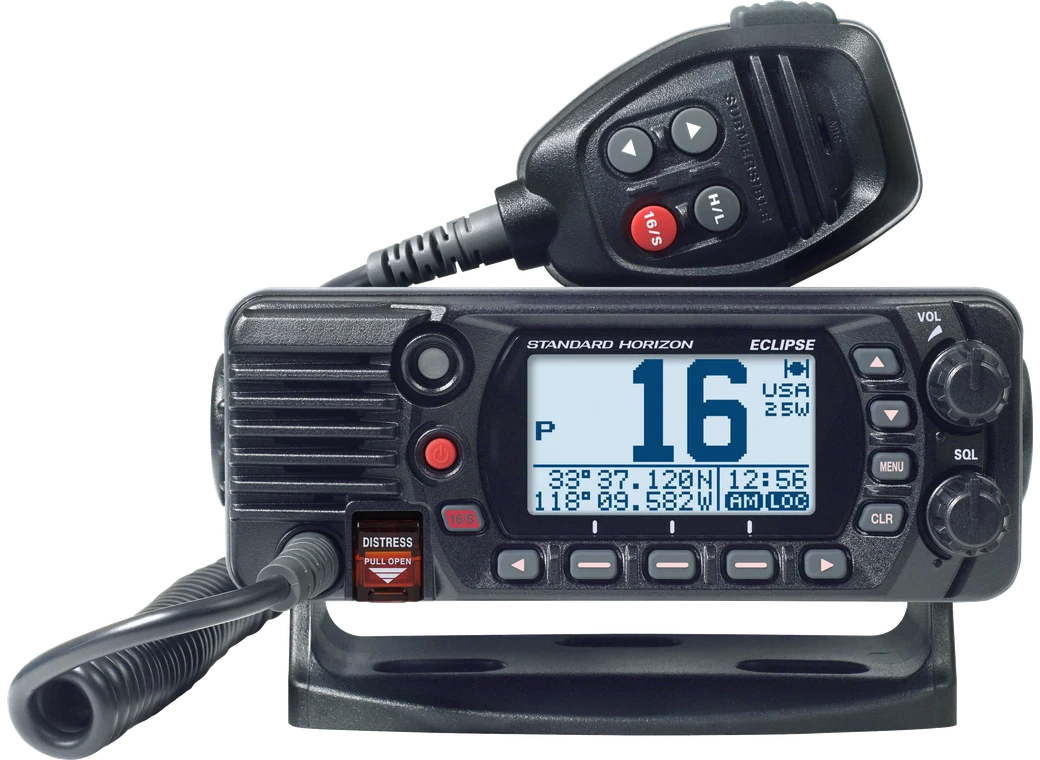 safety
 Standard Horizon
Research synthesisIf your boat doesn't have a fixed-mount VHF with DSC and GPS yet, this is the radio to install this weekend.
A coastal comms stack that actually matches how boats fail: a DSC fixed-mount as the primary radio, a GPS handheld as the grab spare, and an inReach only after those two exist.
Read the guide →A practical VHF shortlist for family boats: when a fixed-mount radio is the primary choice, when a handheld makes sense, and which features deserve the dash space.
Read the guide →A calm pre-launch checklist for recreational boaters: weather, fuel, drain plug, bilge, battery, PFDs, communications, navigation, and the gear that should be reachable before the throttle moves.
Read the guide →The family watersports kit is more than a tube. Match the towable and rope, fit every PFD, bring a pump, assign a spotter, and pack a way to dry the gear.
Read the guide →A practical pre-launch safety checklist for recreational boaters: wearable PFDs, a throwable, communications, fire safety, navigation, and the maintenance details that are easy to skip.
Read the guide →No. Inflatable PFDs have age, activity, maintenance, and wear requirements. They are not a universal substitute for inherently buoyant life jackets, especially for children, weak swimmers, or high-impact activities. Follow the label and inspect the unit before use.
There is no single item that replaces a complete kit and good judgment. For most recreational boats, start with correctly fitted wearable PFDs, a reachable throwable where required, a working communication method, and a launch checklist.
Yes, if it is part of your backup plan. Keep it charged, protected from heat and spray, and easy to grab. Test the battery and controls before leaving the dock instead of discovering a dead radio offshore.