towables Airhead
Research synthesisAirhead Mach 3
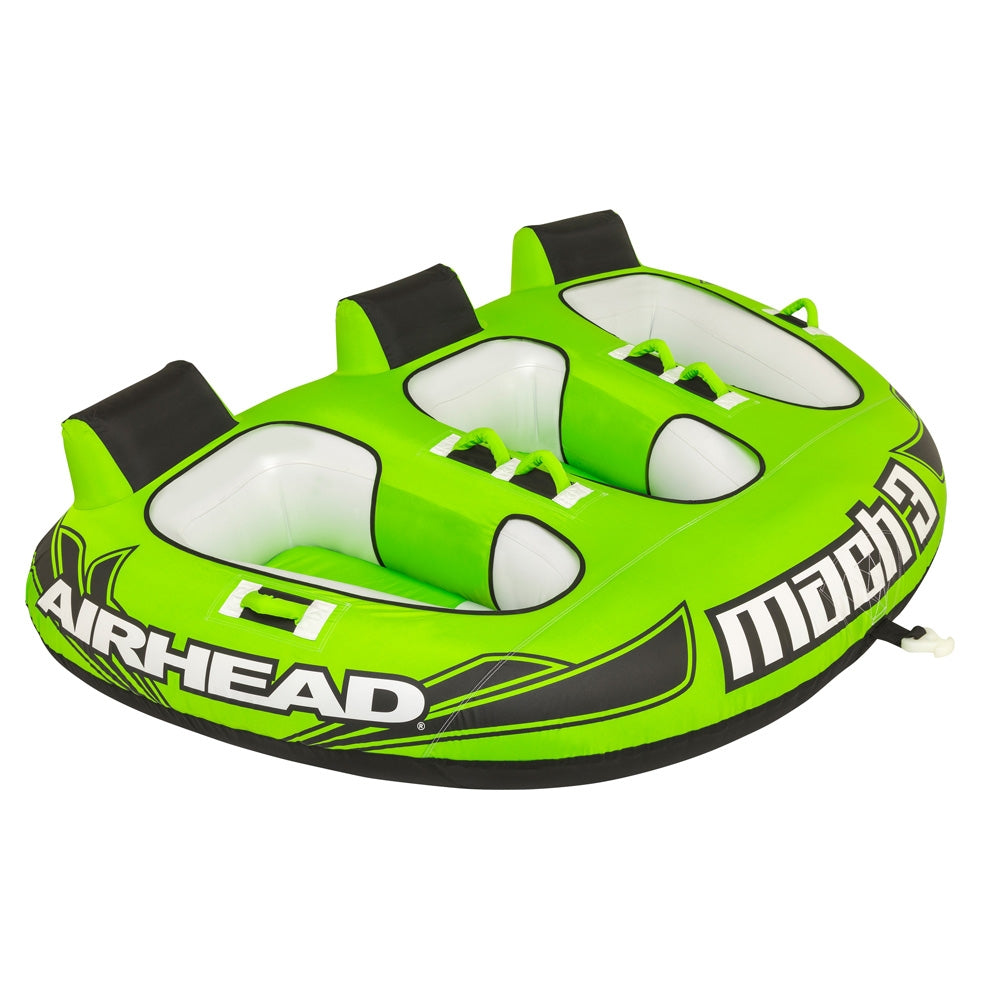
The Mach 3 makes sense when the goal is one towable for a mixed group. If you mostly ride alone or with one other person, a smaller tube will be easier to store and may be more fun to manage.
Watersports is the part of the day everyone remembers. We review the towables, wakeboards, water skis, paddleboards, and the ropes and accessories that connect them — focused on what holds up across a family season, not what wins competitions. Paddleboard reviews cross-link to our sister site PaddleReviewHub.
For most families, the right answer is a 2–3 rider deck-style towable tube ($150–$250), a 60-foot 4,150 lb-rated tow rope, and a Type III PFD per rider. That setup covers nine out of ten lake and bay days. Wakeboards, water skis, and SUPs become the right next purchase only when one activity becomes the family favorite.
Deck vs. chariot tube shape
Deck tubes are stable and forgiving — better for kids and mixed-ability riders. Chariot tubes are fast and aggressive — better for teens and adults who want a workout.
Tow-rope rating that matches
Tow-rope rating must match the maximum number of riders. A 2-rider tube needs a rope rated for 2 riders (about 4,150 lbs). Underspec ropes snap at the worst moment.
PFDs that fit each rider
PFDs are sized by weight and chest measurement. A loose PFD pulls off behind the boat. Buy ones that fit each rider now — not what they will grow into.
Bag or board valve quality
Inflatable SUPs and tubes live and die by the valve. A cheap valve leaks slowly and ruins the day. Look for Halkey-Roberts or equivalent name-brand valves.
The Airhead Mach 3 is what we recommend when someone asks "what should I actually buy?" without a long preamble — score 8.3 out of 10.
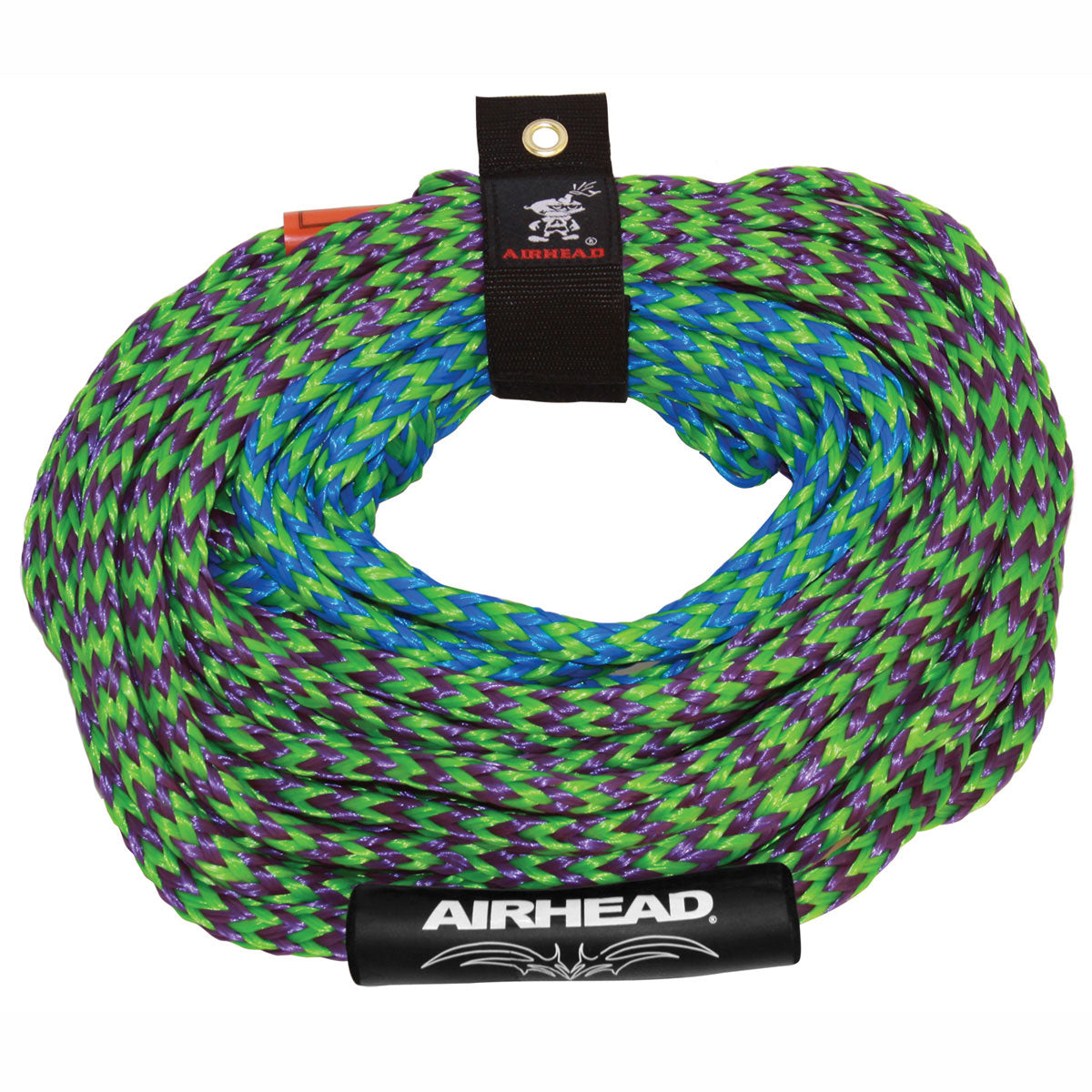
tow ropes Airhead
Research synthesisFor a three- or four-rider tube, the 1-4 Person rope is the sensible starting point. It gives you the right capacity class and a useful 50- or 60-foot configuration, but it still needs to be inspected, stored dry, and used exactly within the tube and boat manuals.
towables Airhead
Research synthesisThe Mach 3 makes sense when the goal is one towable for a mixed group. If you mostly ride alone or with one other person, a smaller tube will be easier to store and may be more fun to manage.
Neso
Research synthesisThe Neso 1 is the beach shade I would shortlist when the walk from boat to sand matters as much as the shade itself. It is light, compact, and simple once you practice the setup. Skip it if you want a tall, rigid shelter, need shade for a large group, or regularly face conditions where a small fabric shade should not be deployed.
NRS
Research synthesisThe Bill's Bag is the dry-storage choice for people who are tired of treating soft bags as disposable. It is heavy and expensive compared with a simple roll-top, but the capacity, harness, compression, and tough construction make it a better long-haul water bag. For a casual beach afternoon, it is more bag than you need.
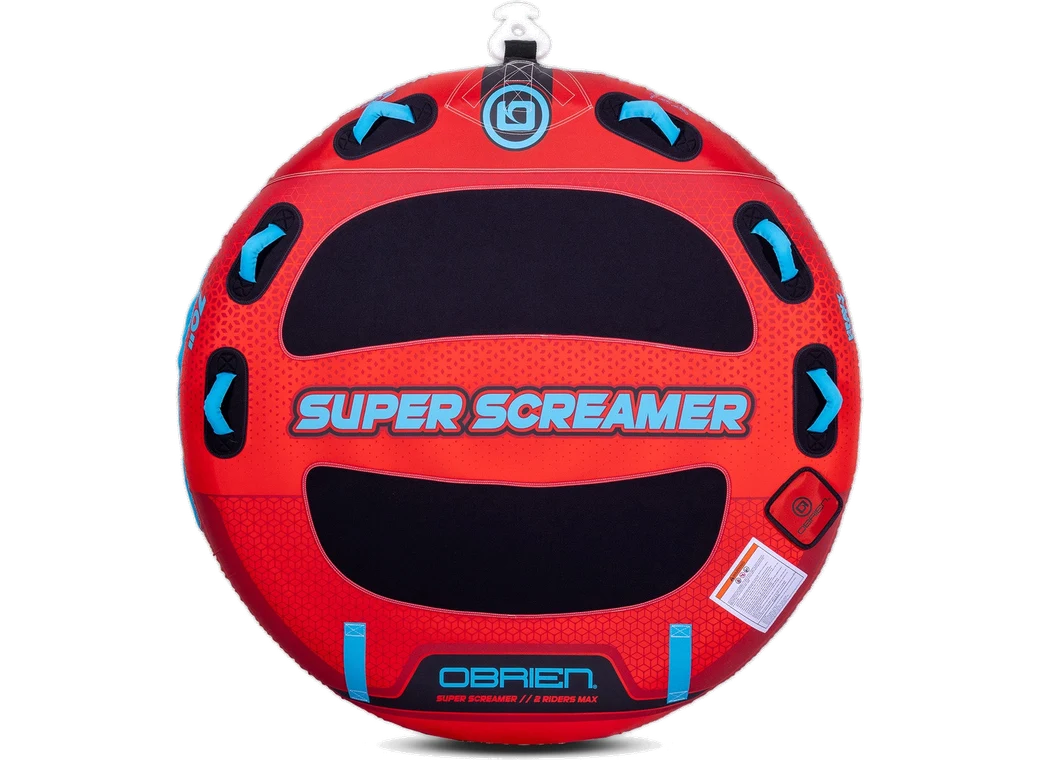
tubes towables O'Brien
Research synthesisIf you want a tube that turns, jumps wakes, and feels exciting at speed, the Super Screamer is the better answer than any deck tube.
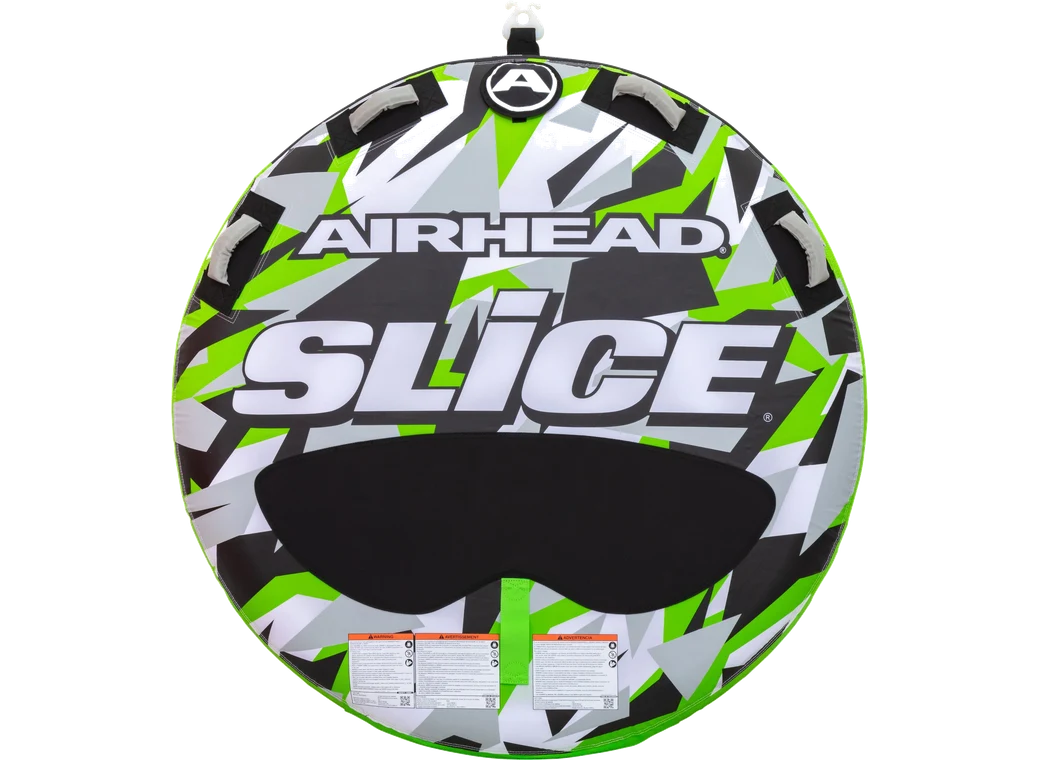
tubes towables Airhead
Research synthesisIf you're buying one tube for a family with mixed ages, the Slice is the answer — no overthinking required.
Choose dry storage by the thing it protects, the carry distance, and the place it will live on the boat—not just by a waterproof rating on the package.
Read the guide →A towable tube rope is not a universal accessory. We break down rider class, length, break strength, storage, and the mistakes that turn a fun tubing day into a bad setup.
Read the guide →Teen and adult riders often want a more aggressive tube than the kids do. Compare deck, chariot, and multi-rider shapes without turning the buying decision into a spec-sheet contest.
Read the guide →The family watersports kit is more than a tube. Match the towable and rope, fit every PFD, bring a pump, assign a spotter, and pack a way to dry the gear.
Read the guide →Family towable tubes split cleanly into two categories — deck tubes for mixed-age crews and chariot tubes for teens-and-up. Buy the wrong one and somebody hates the ride. Here's how to pick.
Read the guide →A 2–3 rider deck-style tube like the Airhead Slice is the most family-friendly answer. Deck shape sits flat and stable, holds smaller riders securely, and is easy to climb back onto. Save chariot-style tubes for teens or adults who want a more aggressive ride.
Yes — tubing ropes are thicker, shorter (50–60 ft), and rated for higher load (matched to rider count). Wakeboard ropes are thinner, longer (65–75 ft), low-stretch, and rated for one rider. Using a tube rope to wakeboard kills your edge response.
For families and recreational use, yes — modern inflatable SUPs (iSUPs) are stable, durable, and store anywhere. Hard boards are still better for performance paddling and surf. For Cast & Cruise readers, an inflatable is almost always the right choice. (Full reviews on PaddleReviewHub.)
Most families start kids tubing around age 5–6, riding with a parent on a deck-style tube at low speeds (under 15 mph). Always require a fitted Type III PFD and a spotter, and stop the moment a rider gets nervous — confidence builds faster than speed limits.